 coinmenot
Spot price
The spot price is what one troy ounce of raw metal trades for on the wholesale market right now. It moves throughout the trading day. You'll see the live gold, silver, platinum and palladium spot prices at the top of every page on this site.
Premium over spot
No one sells finished coins or bars at exactly spot. The difference between the price you pay and the value of the metal inside is the premium. It covers minting, refining, packaging, shipping and the dealer's margin.
As a rule of thumb, larger bars carry lower premiums per ounce than small coins, and government-minted coins usually cost a little more than private rounds of the same weight because they're widely recognized.
Purity and weight
Purity (fineness) is how much of the item is the precious metal itself, written as a decimal.
| Marking | Meaning | Common on |
|---|---|---|
| .9999 | 99.99% pure | Many modern gold coins and bars |
| .999 | 99.9% pure | Most silver rounds and bars |
| .9167 | 22 karat gold | Some classic gold bullion coins |
| .900 | 90% silver | U.S. silver coins minted before 1965 |
Precious metals are weighed in troy ounces. One troy ounce is 31.1035 grams, about 10% heavier than the everyday ounce used for food.
Coins, rounds and bars
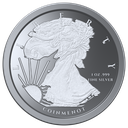
Coins are struck by government mints and carry a face value. Rounds look like coins but are made by private mints and have no face value, like our own Walking Liberty silver round. Bars are the simplest way to buy larger amounts of metal.
Handling and storage
Hold coins by their edges, keep them in their capsules or sleeves, and store them somewhere dry. Fingerprints and moisture can tone silver over time, which doesn't change the metal's value but can affect collector value.